


| artmurmur
| guftgu
Editors: Anshika Varma and Mala Yamey
Design Direction : Anshika Varma
Design Execution: Sanket Jadia
Communications & Research Assistant: Thuvaja Gopalakrishnan
Editorial Team: Anshika Varma, Mala Yamey and Nour Aslam
Art South Asia Project, in collaboration with the Guftgu program by Offset Projects, presents Art Murmur x Guftgu — a talk and publication series offering a critical, multilayered understanding of two decades of artist book-making and art publishing in South Asia. Across its three parts, the series traces the shifts in publishing ecosystems, the emergence of the artist book as a vital artistic practice, and the challenges of reaching global audiences with regionally rooted narratives.
By engaging editors, publishers, artists, and cultural practitioners from South Asia and its diaspora, the series explores how publishing has developed new methods for expressing urgent ideas, building networks of solidarity, and expanding critical discourse. The first volume, Publishing Shifts: South Asia, focuses on the ideologies and creative strategies that have shaped publishing infrastructures. The second, The Artist Book, highlights experimental and research-led approaches that position the book as a site of artistic production and critical imagination. The third, Navigating Global Audiences, examines the practical realities of distribution, co-publishing, and sustaining visibility beyond local contexts.
Through online conversations and these publications, Art Murmur x Guftgu invites readers — from students to scholars — to reflect on the evolving possibilities of printed matter as a generative, resilient, and future-facing space within South Asian modern and contemporary art. The books are available for free download through the image links below.
The books are available for free download through the image links below.
PUBLISHING SHIFTS: SOUTH ASIA
SPEAKERS
WRITERS


Maitreya

Allana

Pereira
Publishing Shifts: South Asia examines the transformative energy of publishing across the region, spotlighting methodologies that bring urgent, often marginalized voices to the fore. This publication brings together the perspectives of leading practitioners — including Rahaab Allana, Sharmini Pereira, Nayantara G. Kakshapati, and Yogesh Maitreya — who explore how publishing has responded to social, political, and cultural currents. Their contributions reveal how books, zines, and other printed matter serve as tools of resistance, solidarity, and knowledge-making, while addressing critical questions of translation, distribution, and accessibility.
As part of the Art Murmur x Guftgu trilogy by Offset Projects and Art South Asia Projects, the book charts how publishing infrastructures — from offset presses to independent imprints — are reshaping narratives around caste, gender, and collective memory. It highlights the editors’ efforts to frame publishing as a dynamic space for challenging dominant discourses and imagining more equitable futures. Through essays, conversations, and archival reflections, Publishing Shifts: South Asia maps the creative and political agency of those working at the intersections of art, literature, and social practice, celebrating publishing as a vital act of authorship, cultural resistance, and community-building.
THE ARTIST BOOK
SPEAKERS
WRITERS
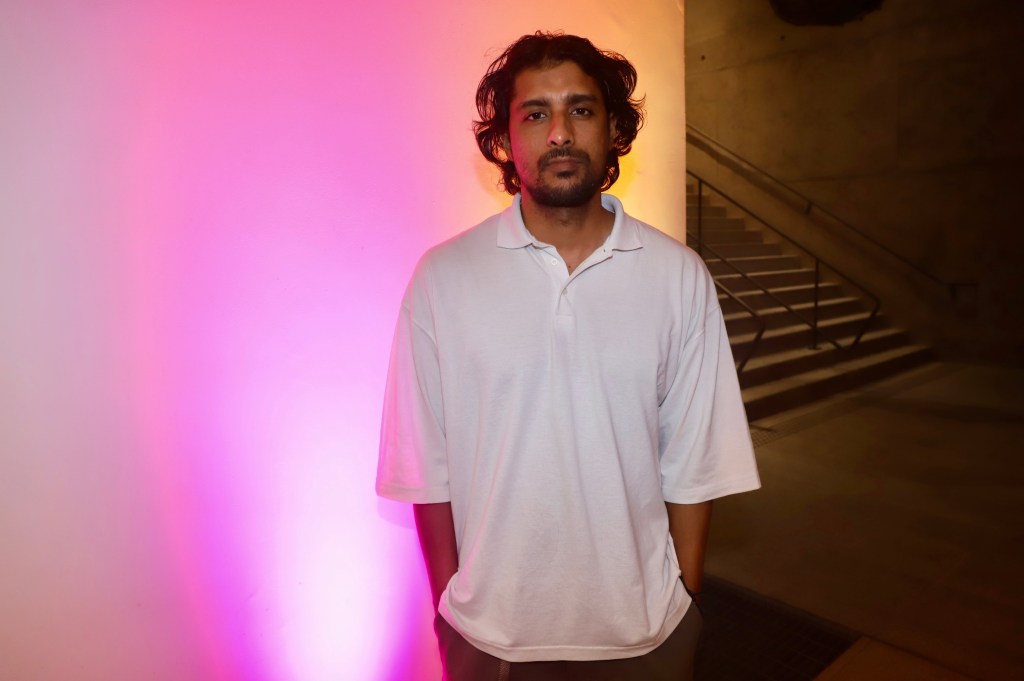

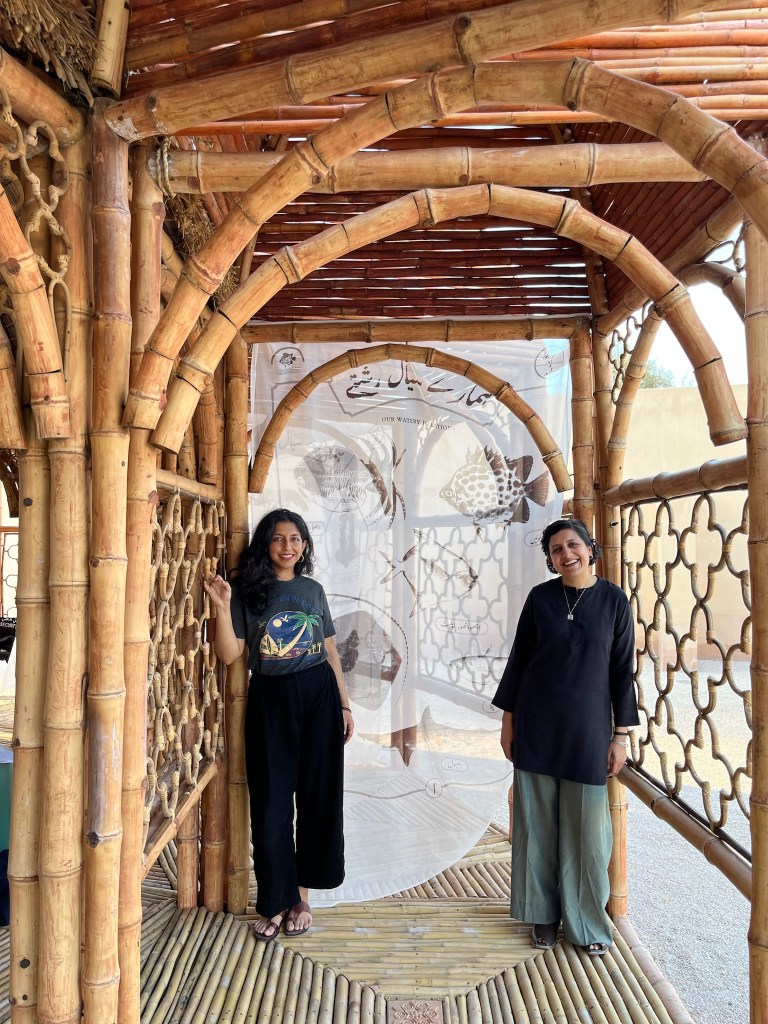
The Artist Book engages with the practice of book-making and its experimentation and growth for artists in South Asia. As the second title in the Art Murmur x Guftgu trilogy, initiated by Offset Projects and Art South Asia Projects, this publication examines how playful, research-led, and collaborative practices have transformed the book into a space for pedagogy, solidarity, and resistance.
Featuring contributions from Karachi LaJamia, Sohrab Hura and Abdul Halik Azeez, the book highlights practices ranging from radical pedagogical models and community archives to diaristic and speculative experiments in form. These diverse voices challenge traditional hierarchies of knowledge and open possibilities for more equitable and plural narratives through print.
Guided by an editorial commitment to expand discourse around publishing in the region, The Artist Book brings together conversations, essays, and artistic interventions to showcase how the book can function as a living, generative practice. Moving beyond the idea of the book as a static object, this publication celebrates its role as a dynamic, accessible, and deeply political medium — one that circulates ideas, holds histories, and imagines futures.
Through these reflections, the book invites readers to consider publishing itself as an act of building community, fostering new solidarities, and envisioning shared worlds.
NAVIGATING GLOBAL AUDIENCES
SPEAKERS
WRITERS
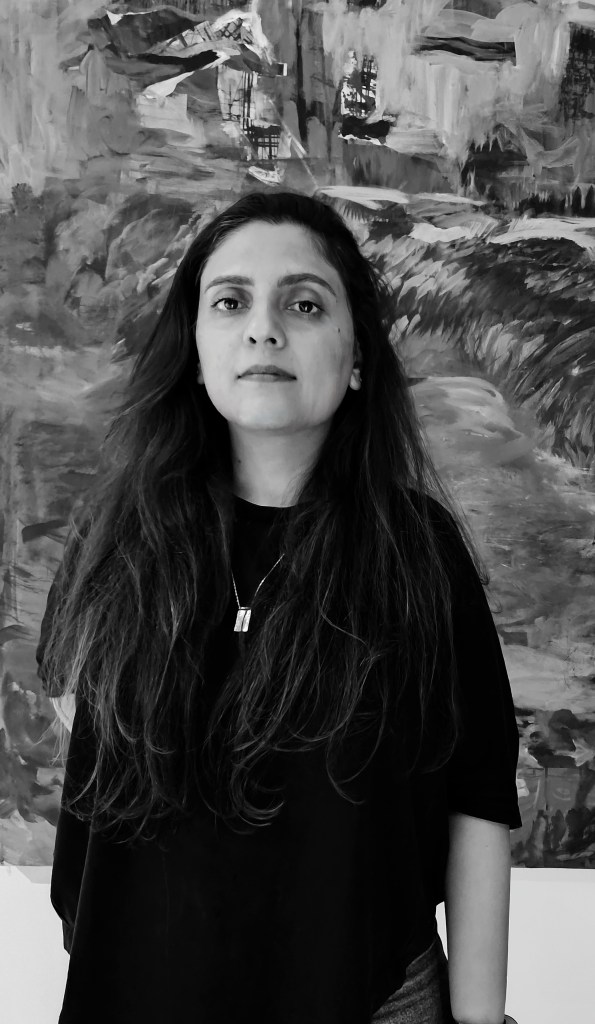
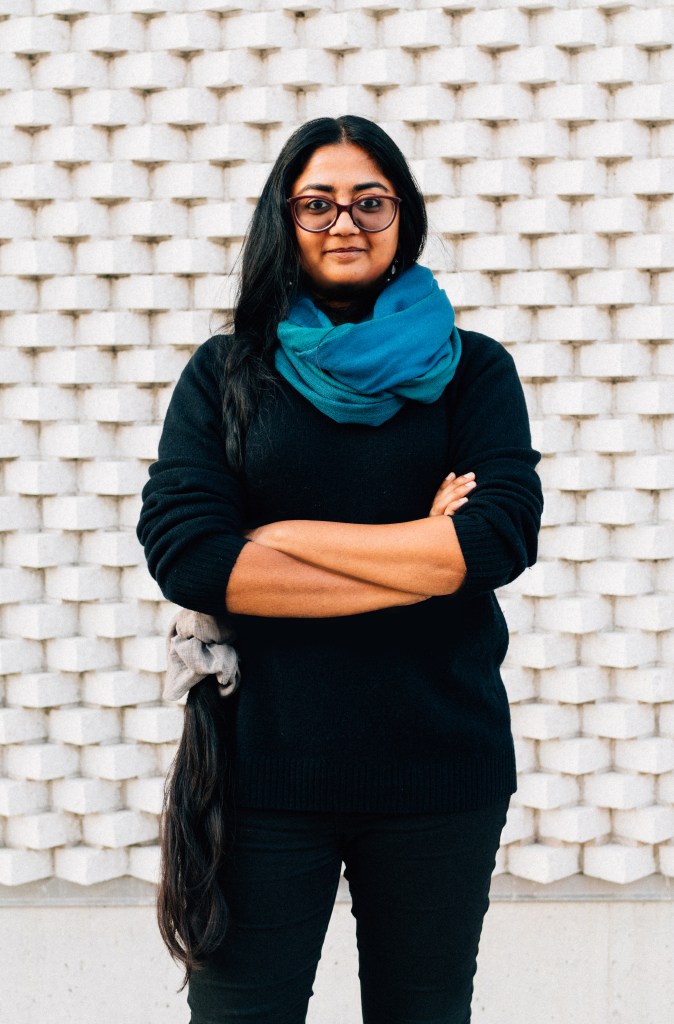


Navigating Global Audiences examines the practical realities of distributing art and artist books from South Asia to the wider world. As the third installment of the Art Murmur x Guftgu trilogy by Offset Projects and Art South Asia Projects, this volume focuses on the methods, obstacles, and opportunities publishers face in connecting local publishing with global readerships.
Through conversations with Arifur Rahman Munir, Rashmi Ruth Devadasan, Sarasija Subramanian, and Saira Ansari, the publication uncovers strategies for working across fragmented infrastructures, forging partnerships, and sustaining small-scale publishing practices. From addressing translation and design choices to negotiating distribution, pricing, and rights, these insights reveal what it takes to carry regionally rooted narratives to international audiences.
The editors frame the discussion around building more viable pathways for artist-led publishing in the South Asian context, acknowledging the difficulties of scale, visibility, and audience familiarity when working beyond the region. Rather than treating the book simply as a product, Navigating Global Audiences invites readers to think through its role as a vehicle of cultural conversation, bridging geographies while honouring local specificities. In doing so, it charts how South Asian publishing might grow into truly transnational forms of creative exchange.
 Offset Projects