
16th October 2020
6pm IST
The webinar will be held on the online platform Zoom. To register for the webinar please click on the link below:




The artist will be sharing three bodies of his on-going work with us to talk about his journey with photography and how the pandemic has helped him take ownership of his thoughts and voice within his medium.
ABOUT THE LAND THAT IS NO MORE
I spent my childhood in rural Tamil Nadu – and I have very fond memories of those days, spent swimming in the river, catching fish, playing in the open fields with my friends, herding cows, sleeping under the sky and the stars. I can still remember the smell of the fields before rain, the smell of the river, the smell of the cattle, the smell of fresh milk and the smell of simple food.
During my college days, when I went to see life by the Narmada River having heard so much about the controversies surrounding the construction of the dam, I became nostalgic by the same rural sights and smells of my childhood and as i look back at these photographs i feel a similar nostalgia for this land that is no more.My photographs from Narmada connect me to my days of being a village boy, living a simple life. I have grown up and life is not simple anymore.
THE LODGE
Once every year, the lodges and the hotels in this small sleepy town named Villupuram come to life. Thousands of transgenders, cross-dressers, lovers, customers, and curious onlookers descend here to live life to the fullest for just a few days – one by one they start to unshackle and reveal their real identities. The transformation to their feminine selves is a process accentuated by threading their eyebrows, wearing earrings, bangles, fancy wigs, applying different kinds of lipsticks, and putting on new fancy undergarments – awaiting their sexual fantasies to become real, to make themselves proud of being the gender they desire to be. They spend more time in front of the mirror, to see themselves as the person they are. They derive great pleasure in looking at their newly transformed self. These simple little things and moments become very special and meaningful for them. However, this solidarity and empathy towards trans-individuals did not happen automatically in me.
I remember having misconceptions and being uncomfortable about transgender people in the society I lived in. But the gnawing question remained. Who are they? Why am I getting afraid of them or trying to stay away from them? At the same time, I was curious and was craving to know them-the duality that baffled me since my younger days. Disturbed and drawn by them I felt that the only way to know them is to get closer to them and understand their feelings and emotions. In the beginning, I was shy but the lodges allowed me to get closer to the people there and made me realize how I could relate to their struggles, being on the margins myself, a Dalit – an untouchable in the southern hinterland of a caste-based Tamil Nadu.
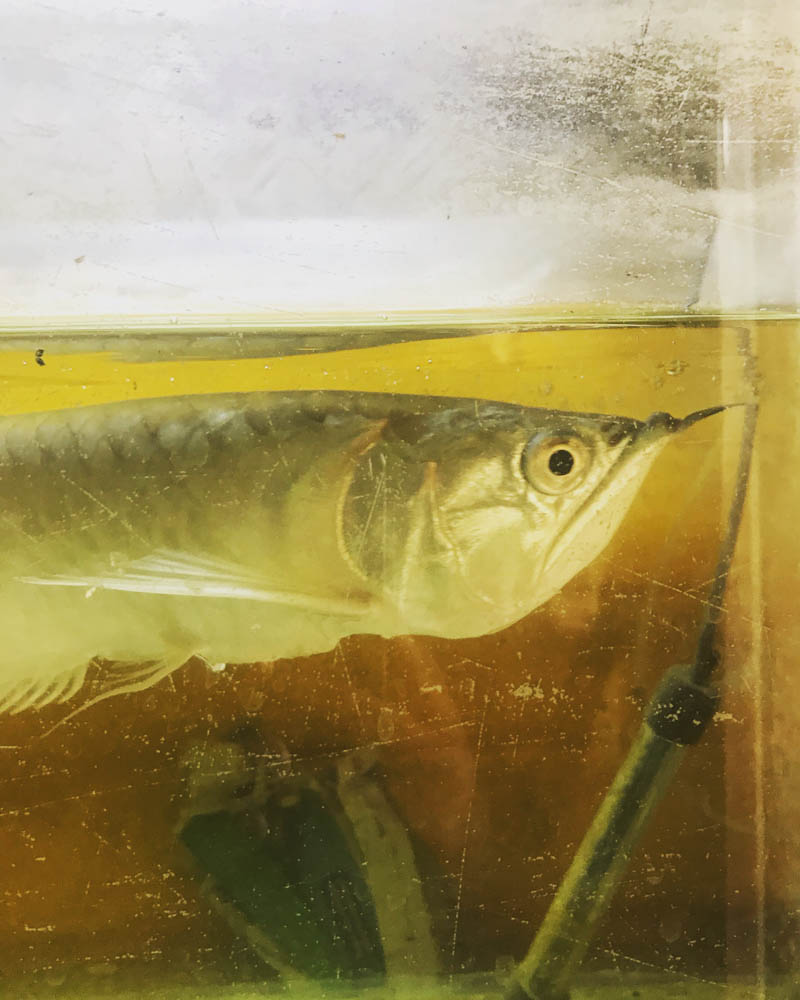
ABOUT I FEEL LIKE A FISH- ongoing
To escape the caste system I thought I would need to travel as far from my village as I could. I lived in many cities. During the lockdown, forced to be home, I finally see the beauty of the place I have grown up and seek the strength of my roots in my family. My family is my fishbowl and my miracle.
About the Photographer :
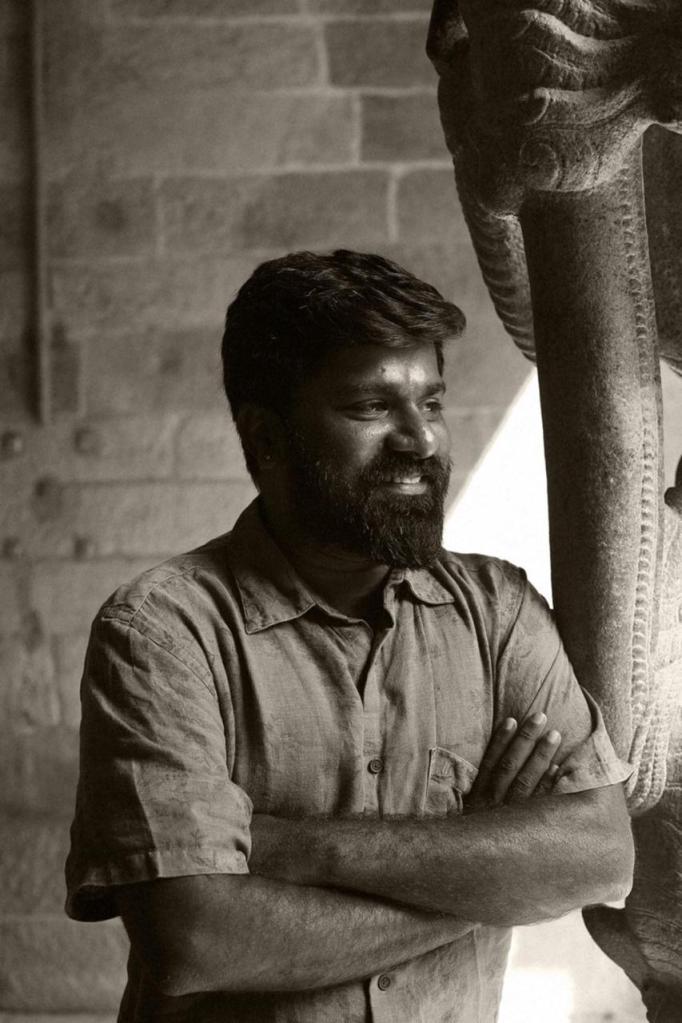
Jaisingh was born dyslexic to working-class parents in Madurai, Tamil Nadu. Never considered normal by his own society, he was taught by his beloved grandmother at home, which was a sanctuary. Through folklore and bedtime stories she taught him another way of living life. Finally, when even she couldn’t cope with his learning disabilities, his father was advised by his extended family to stop his education and send him out for agricultural activities and cattle herding. However, with the encouragement of his immediate family, he ended up doing his Masters in Mass Communication. This was an important juncture in his life since it sparked his interest in documenting socially-vulnerable communities as well as issues of rural life. To earn a living, Jaisingh works as a photographer doing stills for films. The rest of the time, he is a son, grandson, uncle and artist. He is a member of two artist collectives: 13Jara and Guldasta.
We will be joined by Poorani Cruz to help translate for the artist. Poorani is currently teaching at the Department of Visual Communication, Government Arts College in Trichy, Tamil Nadu. She is a photography enthusiast. Jaisingh and Poorani completed their Post Graduate Communication Studies together in Madurai.
The Guftgu Series have been facilitated and supported by Pro-Helvetia New Delhi’s Now On Grant for the year 2020.
 Offset Projects